
The United States boasts a highly developed and diversified market-oriented economy, contributing significantly to global economic output. As of 2024, the U.S. economy generated over 25% of the world’s nominal GDP, underscoring its pivotal role in international markets.
Economic Performance
In the first quarter of 2026, the U.S. economy experienced a 2% annualized growth rate, marking a rebound from the previous quarter’s 0.5% increase. This growth was bolstered by a recovery from a 43-day federal government shutdown and robust investments in sectors like artificial intelligence. However, the onset of the Iran conflict has introduced uncertainties, particularly affecting energy prices and inflation rates.
Political Landscape
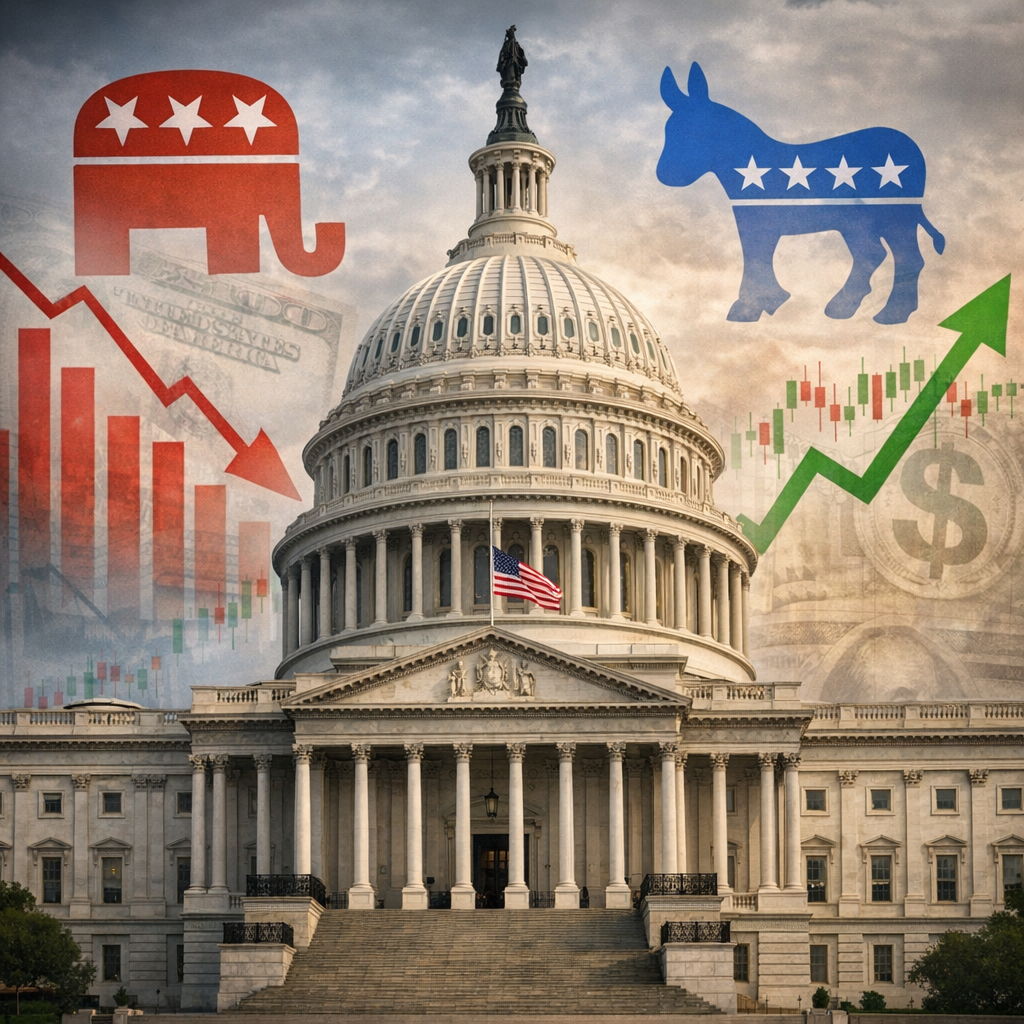
The U.S. political system is predominantly characterized by two major parties: the Democratic Party and the Republican Party. While these parties contest presidential elections every four years and maintain national organizations, they often function as loose alliances of state and local entities between election cycles. Over time, other parties have occasionally emerged to challenge the dominance of the Democrats and Republicans, reflecting the dynamic nature of the nation’s political landscape.
Implications for Sterling Heights
For residents of Sterling Heights, Michigan, these national economic and political trends have tangible local impacts. Economic fluctuations can influence employment opportunities, consumer prices, and business investments within the community. Similarly, shifts in the political landscape can affect local policies, funding allocations, and community initiatives. Staying informed about these broader trends is essential for understanding their potential effects on our daily lives and local governance.